
We have invested significant effort exploring the online halls of Paysafecard Casino, and we acknowledge that achievement here is never solely about luck. The UK market requires a sharp awareness of casino-specific guidelines, disciplined money management, and a calculated mindset to every wager. In this guide we offer the specific wagering guidelines that regulate your play and the winning tips that can tilt the odds in your favour. We focus entirely on usable knowledge that works inside the Paysafecard ecosystem, assisting you in gaining maximum value from every deposit and every session.
Game-Specific Betting Rules You Need to Know
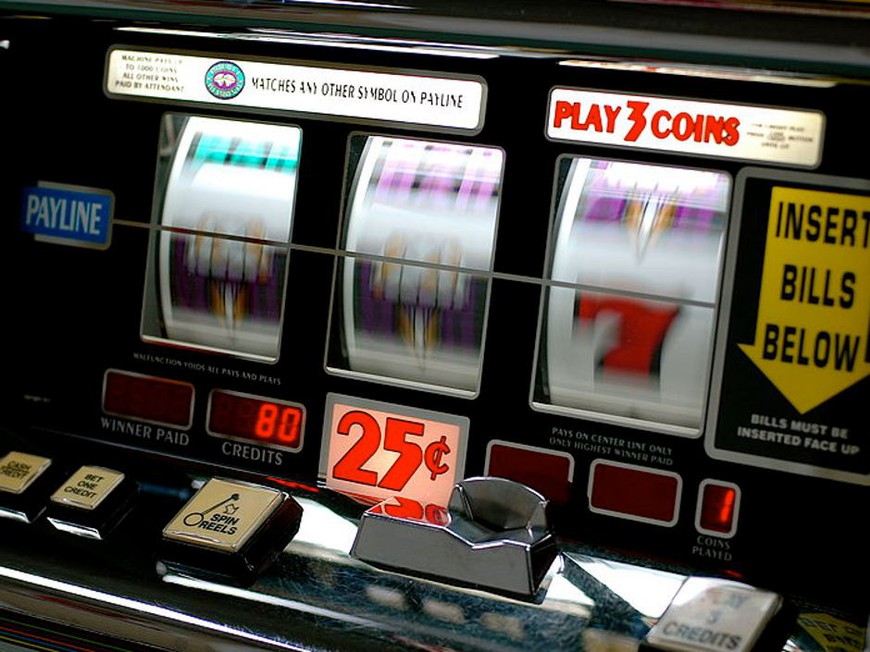
We handle each game category with a distinct rulebook in mind. On slot machines, the most important rule concerns payline activation. Some titles let us to adjust the number of active lines, and betting on fewer lines reduces our hit frequency dramatically. We always activate all paylines even if that means lowering the coin size, because a jackpot win on an inactive line is a bitter pill. We also check the game’s volatility rating in the information panel before committing serious funds.
When we sit at a virtual blackjack table, we memorise the specific rule variations that alter the house edge. A game that pays three to two on a natural blackjack is vastly superior to one that pays six to five. We also note whether the dealer stands on soft seventeen, as this single rule shifts the odds by almost half a percent. Doubling down restrictions and resplitting aces rules are equally critical. We keep a basic strategy chart open on our phone until these decisions become second nature.
Roulette offers its own set of betting rules we never overlook. European single-zero wheels give us a house edge of two point seven percent, while American double-zero wheels double that disadvantage. We solely play French or European variants at Paysafecard Casino. We also familiarize ourselves with the table limits, because a ten-pound minimum inside bet can burn through a modest bankroll in minutes. The “la partage” rule on even-money bets in French roulette is a potent ally we actively look for.
Live dealer games present time limits for placing bets, and we have lost opportunities by hesitating. The interface shows a countdown timer, and we must verify our wager before it expires. We also recognize that live game rounds run slower than their digital counterparts, which helps us manage our spending. Chat etiquette matters too; disruptive behaviour can result in a session ban. We keep our interactions polite and focused, treating the dealer and fellow players with the same respect we would in a land-based casino.
For video poker, we analyze the pay table meticulously. A Jacks or Better machine with a nine-six payout for a full house and flush is the baseline we demand. Anything lower boosts the house edge beyond our comfort zone. We also verify the maximum bet required to qualify for the progressive jackpot, because missing that threshold means we are playing for a fraction of the potential return. These game-specific rules are not advice; they are the mathematical line between a profitable session and a draining one.
Effective Winning Strategies for Slot Machines and Table Games
We treat slots with a return-to-player mindset. We curate the game lobby to present only titles with an RTP of ninety-six percent or higher. This information is often tucked away in the game rules, but we take the time to uncover it. High RTP slots like Blood Suckers or Starburst give us more playtime per pound and a statistically better long-term outlook. We also prefer low to medium volatility games when our bankroll is limited, because they provide frequent small wins that maintain our balance and morale.
Bonus buy features are a double-edged sword we manage with care. When a slot offers a direct purchase of free spins for a fixed multiple of our stake, we determine the expected value based on the feature’s average payout. We only purchase bonuses when the cost is below seventy-five times our base bet and the game’s documented bonus frequency points to a positive expectation. This is not estimation; we consult independent slot review databases that report feature hit rates and average win multipliers.
On the table game side, we have honed a blackjack strategy that transcends basic card counting, which is unfeasible online due to continuous shuffling. Instead, we leverage rule variations. We seek tables where surrender is provided, particularly late surrender, because it allows us to abandon a losing hand and regain half our stake. We also employ a conservative betting progression, boosting our wager only after a win and never after a loss. This positive progression shields our bankroll during cold streaks while cashing in on hot runs.
For roulette, we have dropped complex betting systems like the Martingale, which can ruin a bankroll with a single extended losing streak. Our winning tip is to concentrate on even-money outside bets on French roulette with the la partage rule. This reduces the effective house edge to one point three five percent, among the lowest in the casino. We put flat bets and never increase our stake during a session. The slow, steady approach may miss drama, but our balance sheet shows consistent small gains over hundreds of spins.
We also implement a game rotation principle. Spending more than forty-five minutes on a single game type weakens our concentration and leaves us to the house edge’s grinding effect. We alternate between slots, blackjack, and video poker to keep our mind sharp. Each transition compels us to recalibrate our decision-making, which avoids the autopilot mode that leads to costly errors. This variety also makes our sessions more enjoyable, and we have found that enjoyment and profitability are strongly correlated in our experience.
Key Deposit Rules When Using Paysafecard
We never top up our account without first checking the minimum deposit amount, which is clearly displayed in the cashier. For Paysafecard users in the UK, the floor is typically ten pounds, but we have noticed it increase to twenty for certain welcome offers. We always make sure our voucher balance matches the exact amount plus any additional fee, even though Paysafecard Casino handles most transaction costs. The golden rule we adhere to is to deposit only what we have physically purchased as a voucher, never taking from other payment methods on impulse.
The deposit process by itself is fast. We enter the 16-digit PIN and the system deposits into our balance practically right away. However, we keep in mind that the casino may ask us to verify the voucher’s origin if we deposit large sums repeatedly. We keep the physical receipt until the time the funds are fully played through or withdrawn. This simple habit has saved us from delays when the compliance team asks for proof of purchase. We also avoid using vouchers made in a currency not matching our casino account, as conversion fees can gradually erode our bankroll.
One critical rule we respect is the prohibition of third-party vouchers. The name on the casino account must match the identity of the person who purchased the Paysafecard, where verification is possible. While the voucher itself is anonymous, the platform’s anti-money laundering protocols can flag mismatches during withdrawal. We have seen accounts frozen because a well-meaning relative gifted a voucher. We always source our own prepaid cards from authorised UK retailers to maintain a clean transaction history.
We also track the deposit limits imposed by both the casino and Paysafecard itself. Unregistered Paysafecard users face a lifetime load limit, whereas a free My Paysafecard account raises that ceiling significantly. We registered our account to unlock higher deposit caps and to consolidate leftover balances from partially used vouchers. This registration also provides a transaction history that we use to cross-reference our gambling spend. We treat deposit rules not as obstacles but as guardrails that keep our play sustainable.
Bonus eligibility is one more deposit rule we examine. Certain promotions exclude Paysafecard deposits, although this is increasingly rare at UK-facing casinos. We always read the promotional terms before funding, and we take a screenshot of the pertinent section. If a bonus requires a minimum deposit of twenty pounds and we put in exactly that amount, we confirm the bonus is credited before playing. This attentiveness prevents the disappointment of losing out on a match offer due to a technicality.
Common Betting Mistakes That Eat Into Your Balance
We have compiled the errors that consistently sabotage players at Paysafecard Casino, and the most widespread is ignoring the terms and conditions linked to bonuses. Wagering requirements can be as high as forty times the bonus amount, and we have observed individuals accept a promotion without reading that live dealer games contribute zero percent. Their balance becomes locked behind an impossible playthrough, and frustration leads to reckless betting. We always calculate the true cost of a bonus before we opt in.
Another frequent blunder is the failure to set a hard stop on a winning session. The euphoria of a big hit triggers a dopamine surge that convinces us we are invincible. We have fallen into this trap ourselves, continuing to play until the profit evaporated. The correction we implemented is simple: when our balance reaches one hundred and fifty percent of our starting amount, we withdraw the initial deposit immediately. The remaining profit becomes our risk capital, and even if we lose it, we leave the session ahead.
Wagering without comprehending the game’s variance profile is a quiet bankroll killer. Volatile slots can go many spins without a major payout, and if we are staking too large a percentage of our bankroll per spin, we will run out before the game’s natural cycle delivers a win. We adjust our bet size to the game’s variance rating. For high volatility titles, we lower our stake to a quarter of our normal unit size. This adjustment keeps us in the game long enough to see the upside.
We also see many players giving in to the sunk cost misconception. They persist depositing because they have “spent” too much to quit. Money lost is lost, and it should never influence future decisions. We view each session as an separate event. Our previous deposits are irrelevant to the current prospect. This mental reset is difficult but essential. We practice it by closing the browser tab and having a walk after a losing session, coming back only when we can see a fresh deposit with sharp, objective eyes.
Finally, we have seen the damage caused by alcohol and fatigue. A single pint may relax us, but it also reduces our inhibitions and leads to oversized bets. We have a strict rule: no drinking during a serious betting session. We also refrain from playing after a long workday when our cognitive resources are depleted. A tired mind produces poor blackjack decisions, misreads bonus terms, and neglects to set loss limits. We arrange our play for times when we are alert, fed, and fully present.
Grasping the Paysafecard Casino Platform within Britain
We first familiarised ourselves with the dashboard and payment structure that makes Paysafecard Casino apart. The platform is designed around the prepaid voucher system, which means every transaction creates no digital footprint on your bank statement. This anonymity is a double-edged sword; it protects your privacy but also necessitates that you keep meticulous personal records of your deposits. We learned early that the UK-facing portal operates under a strict regulatory framework, securing fair play and transparent terms.
When we log into the casino via a desktop or mobile browser, we notice the layout prioritises game categories and live dealer lobbies. The search function is powerful, but we always check that a game is fully licensed by the UK Gambling Commission before making a bet. The platform’s terms and conditions page is not mere legalese; it holds vital information about wagering requirements, withdrawal limits, and restricted territories. We make it a habit to reread the bonus policy every quarter because minor updates can change the value of a promotion overnight.
We also pay careful attention to the cashier section, where Paysafecard integration is flawless. The system processes vouchers in denominations from ten to one hundred pounds, and we can combine multiple vouchers for a single deposit. The maximum deposit threshold changes, but we never exceed the limit that triggers additional identity checks unless we are set for a brief verification pause. Knowing these platform quirks gives us a head start before we even make our first bet.
Another layer we analyze is the game weighting table. Not all wagers contribute equally to bonus clearance. Slots typically count one hundred percent, while table games and live dealer titles may add as little as five percent. We have seen players forfeit substantial bonus funds simply because they played blackjack without checking the contribution rate. We treat the platform’s help centre as our operational manual and recheck it whenever a new game provider is added.
Finally, we always assess the customer support responsiveness. A live chat that handles a deposit query in under two minutes offers us confidence. We have employed the service during peak evening hours and found the UK-based agents knowledgeable about Paysafecard-specific issues. This infrastructure knowledge forms the bedrock of every winning strategy we execute, because a smooth technical experience prevents costly interruptions during a hot streak.
Responsible Gambling Approaches That Secure Your Success
We embed responsible gambling into our plan because a clear mind is our most important asset. We set deposit limits on our Paysafecard Casino account that match our pre-determined session bankroll. The platform’s cooling-off periods are not a sign of weakness; we have utilized a twenty-four-hour timeout to break a developing chase pattern and reverted with renewed discipline. We also enroll with GamStop only if we sense a loss of control, but our daily self-monitoring usually keeps us on track.
We regard gambling as an entertainment expense, not an income stream. This mental perspective prevents the desperation that fuels reckless betting. We budget a fixed monthly amount for casino play, and when it is gone, we quit. We never access household funds or use credit cards for Paysafecard purchases. The prepaid nature of the voucher system is a natural barrier on overspending, and we acknowledge that boundary. We also celebrate our wins modestly, reinvesting only a small fraction of profits into future sessions.
We routinely self-assess using the Problem Gambling Severity Index questions. Are we chasing losses? Do we lying about our play? Are we borrowing to gamble? These questions maintain us honest. We also engage a trusted friend as an accountability partner, sharing our session logs and discussing any red flags. This external perspective is priceless because our own mind can rationalise almost any behaviour. The UK’s gambling support ecosystem, including the National Gambling Helpline, is a resource we keep bookmarked.
We also use the session time limits and reality checks offered by the casino. A pop-up reminder every sixty minutes prompts us to stand up, hydrate, and evaluate our emotional state. We have cancelled many a losing session simply because the reality check arrived at the right moment. These tools are not intrusive; they are the digital equivalent of a pit boss tapping us on the shoulder to ask if we are okay. We welcome them fully and have configured our account to maximise their protective effect.
Enduring success at Paysafecard Casino is unattainable without sustainability. We protect our success by making sure that gambling never meddles with our relationships, career, or health. We take regular breaks of several days to reset our dopamine receptors and to remind ourselves that life’s primary pleasures lie outside the casino lobby. When we return, we do so with fresh eyes and a sharpened strategy. This balanced approach is the ultimate winning tip, because a player who knows when to walk away is a player who can return to fight another day.
Developing a Disciplined Bankroll Management Approach
We handle our bankroll as a restricted business resource, never as an emotional extension of our ego. Before we log in Paysafecard Casino, we decide on a session loss limit that equals no more than five percent of our monthly disposable income. This number is non-negotiable once the reels start spinning. We also set a win goal, typically fifty percent of our session bankroll, and we walk away when we reach it. The commitment to cease during a winning streak is what separates consistent performers from those who hand everything back to the house.
We divide our total bankroll into session units, each symbolizing one betting day. A common structure we use is the one hundred unit rule, where a single unit corresponds to one percent of our overall funds. If our bankroll is five hundred pounds, a unit is five pounds. We never wager more than five units on a single spin or hand, which maintains our risk of ruin extremely low. This fractional strategy allows us to endure the natural variance of casino games without experiencing a catastrophic drawdown.
We are thorough about splitting our Paysafecard deposits from our winnings. When we accumulate a profit, we instantly set aside the original deposit amount for withdrawal and play only with the surplus. This mental accounting ensures we never leave a session in the red on a net basis. We also use the casino’s reality check tools to set session time limits. A ninety-minute cap with a fifteen-minute cool-down avoids the fatigue that leads to impulsive bet sizing. The platform’s responsible gambling features are not there to restrict us; they are there to sharpen our edge.
Another pillar of our strategy is the stop-loss trigger. We condition our mind to accept that a thirty percent drawdown in any single session means the day is over. Chasing losses with larger bets is the fastest route to a zero balance. We have seen the psychological trap of “double or nothing” thinking, and we refuse to entertain it. Instead, we log out, review our play decisions in a journal, and return only when our analytical mindset has fully reset. This emotional regulation is a skill we cultivate as diligently as any betting system.
Ultimately, we record every session in a straightforward spreadsheet. Day, game played, starting balance, ending balance, and a brief note on what worked or failed. Over a month, patterns appear that no memory alone could capture. We noticed that our roulette sessions were consistently negative while our blackjack play was positive, so we reallocated our bankroll accordingly. Data-driven bankroll management converts gambling from a guessing game into a structured activity where we hold a real informational advantage over our past selves.
